
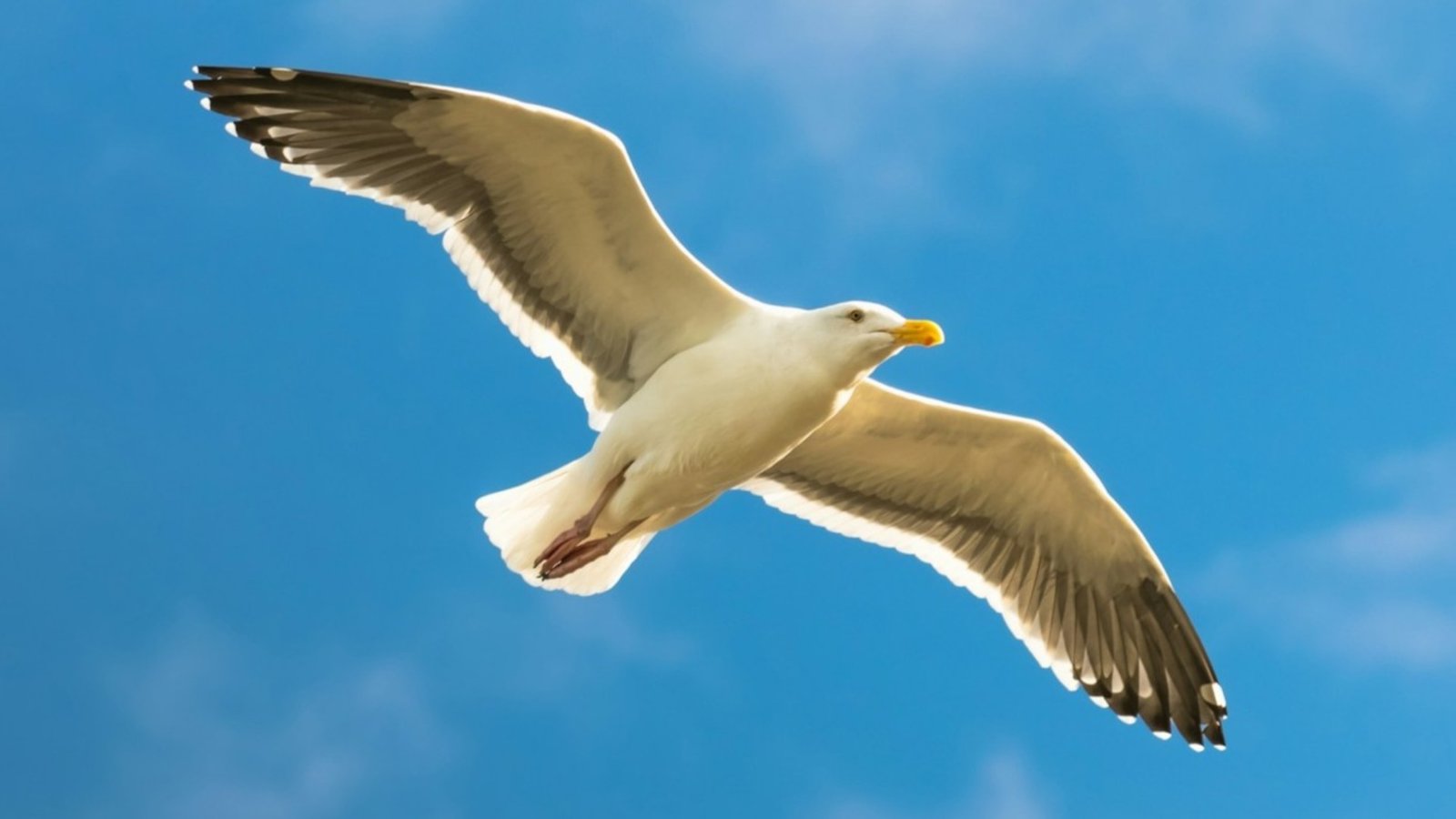
Seabirds are among the most skilled long-distance travelers in the animal kingdom. From albatrosses gliding over endless oceans to petrels darting between continents, their ability to cross vast marine landscapes with astonishing accuracy continues to fascinate scientists. Understanding how seabirds navigate thousands of miles sheds light on their incredible adaptations and the biological tools they use to survive in such dynamic environments. These feats of navigation are not random but rely on a complex combination of senses, environmental cues, and learned behavior.
In this article, we explore the secrets behind how seabirds navigate thousands of miles, uncovering the strategies, challenges, and mysteries of their long-distance migrations.
The Basics of Seabird Navigation

Seabird navigation is the process by which these birds find their way across large distances, often with little to no visual landmarks. Many species spend the majority of their lives over open water, returning to land only to breed.
Despite the featureless nature of the ocean, seabirds consistently find their way to feeding grounds, nesting sites, and migratory destinations. They rely on a mix of inherited instincts and environmental information to orient themselves and stay on course.
Using the Earth’s Magnetic Field

One of the most important tools seabirds use to navigate is the Earth’s magnetic field. This invisible force acts like a global map, giving birds the ability to sense their position and direction even in complete darkness or over open sea.
Research shows that seabirds have specialized magnetoreceptors in their beaks or brains, allowing them to detect magnetic intensity and inclination. This internal compass helps them maintain direction over long journeys, especially during migration or when returning to their colonies.
Celestial Navigation: Sun, Stars, and Polarized Light

In addition to magnetic cues, seabirds use celestial navigation to guide their travels. The sun and stars provide consistent directional markers, especially at dawn and dusk, when light patterns are most reliable.
Some seabirds can also detect polarized light patterns in the sky, which helps them orient themselves even when the sun is obscured by clouds. These skills are especially useful for species that travel at night or across areas with unpredictable weather.
The Power of Olfaction: Smelling Their Way Home

An extraordinary fact about seabirds is their keen sense of smell. While many birds rely primarily on sight, seabirds such as shearwaters and petrels use olfactory cues to navigate, especially when nearing land or their nesting colonies.
They can detect chemical compounds released by phytoplankton and ocean productivity, which are associated with rich feeding areas. This ability also helps them find familiar nesting grounds after years at sea, using scent trails as a type of biological GPS.
Learning and Memory in Seabird Navigation

Experience plays a major role in seabird navigation. While juveniles may initially rely on inherited cues, adults improve their navigation through memory and learning over time.
Tagging studies have shown that experienced seabirds can return to the same nesting sites year after year with remarkable accuracy. They also remember productive feeding zones and adapt their routes based on previous trips, making their navigation more efficient with age.
Wind Patterns and Dynamic Soaring

Seabirds take advantage of wind patterns to reduce the energy cost of long-distance flight. Species like albatrosses use a technique called dynamic soaring, which allows them to harness the wind’s energy to glide for hours without flapping.
By alternating between wind gradients near the ocean surface and higher altitudes, these birds can travel great distances with minimal effort. Understanding how seabirds navigate thousands of miles involves studying how they interpret and respond to changing wind conditions during flight.
Navigating in Harsh and Changing Conditions

Seabirds face unpredictable conditions during migration, from storms to shifting ocean currents. Despite this, they manage to stay on course and reach their destinations with astonishing precision.
Their ability to adapt in real time may be linked to a combination of senses working together. When one cue, like the magnetic field, is disrupted, they may rely more heavily on visual landmarks, smell, or memory to compensate and adjust their path.
Role of Genetics and Evolution

Navigation in seabirds is not just a learned skill; it is deeply rooted in their genetics. Species have evolved over thousands of years to develop navigation strategies that fit their ecological needs and environments.
For example, some seabirds migrate across hemispheres on fixed schedules, suggesting a strong genetic component guiding their movements. This inherited knowledge ensures that even young birds, on their first migration, can find their way to appropriate habitats.
Human Technology Unlocks the Mystery

Recent advancements in satellite tracking and GPS tags have transformed our understanding of seabird navigation. These tools allow researchers to map migratory routes with precision and analyze how birds respond to different environmental factors.
Tracking data has revealed previously unknown travel corridors and helped identify critical feeding and breeding areas. This information is vital for conservation efforts, particularly as climate change and human activity alter ocean conditions.
Conservation Implications of Seabird Migration

Understanding how seabirds navigate thousands of miles also has practical conservation value. Many species face threats from fishing bycatch, pollution, and habitat loss along their migratory paths.
By identifying and protecting key stopover and feeding zones, conservationists can help safeguard seabird populations. Preserving their ability to navigate successfully is essential for maintaining the ecological roles these birds play in marine ecosystems.
Final Thoughts

The question of how seabirds navigate thousands of miles has intrigued scientists for generations. Through a combination of magnetic sensing, celestial cues, smell, memory, and environmental awareness, these birds achieve what seems impossible to us—crossing oceans with pinpoint accuracy.
As we learn more about their extraordinary journeys, we not only gain insight into their survival but also discover tools that can benefit science, conservation, and technology. By protecting seabirds and their migratory routes, we help preserve a vital part of the ocean’s natural balance. Keep exploring the world of seabirds to uncover more secrets of their incredible life on the wing.