
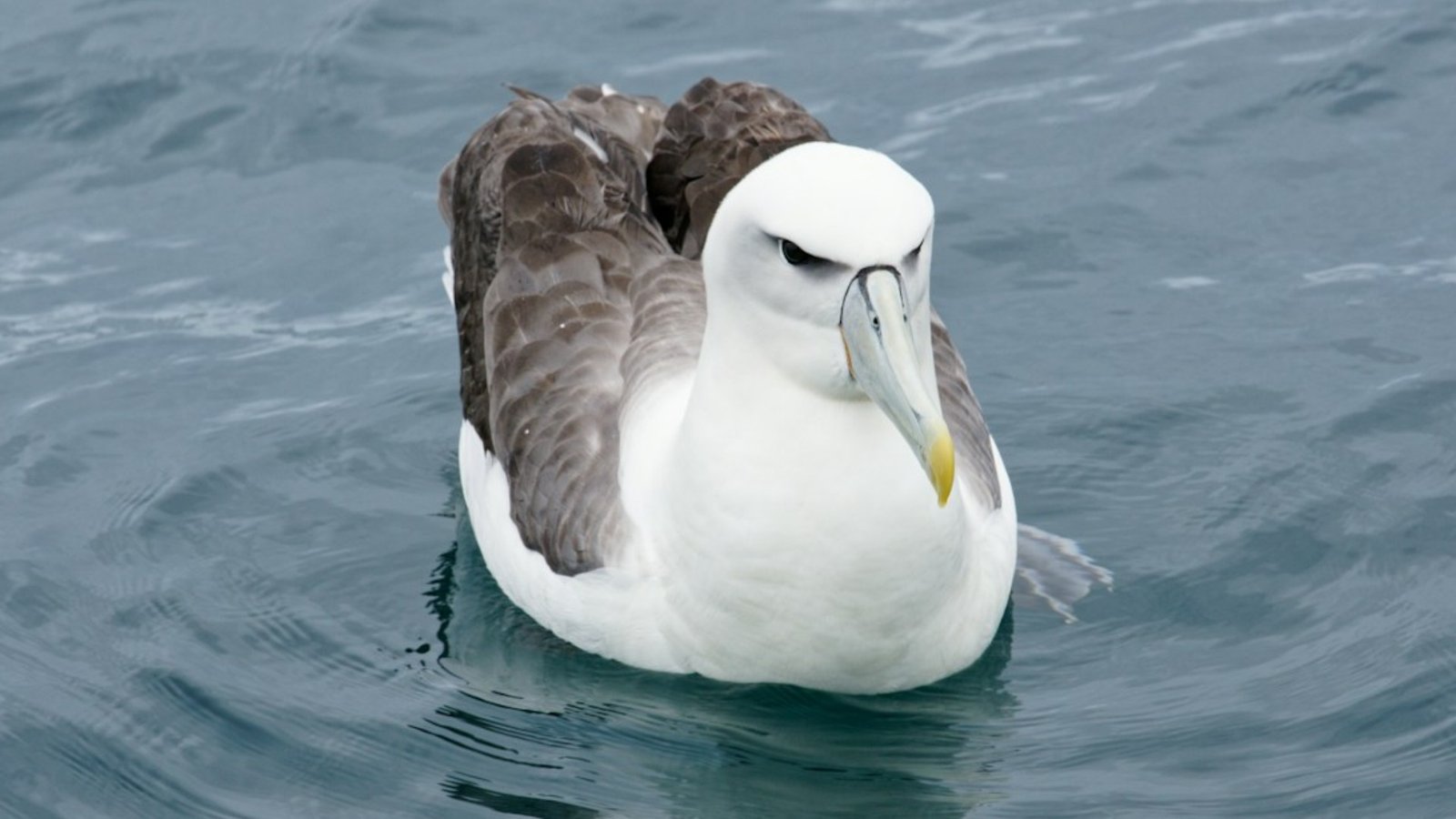
Seabirds are often celebrated for their impressive navigation and long-distance travel, but one of their most fascinating abilities lies in their sense of smell. Understanding how seabirds use smell to find food offers insight into how these birds locate prey in vast, featureless ocean environments. For years, scientists assumed seabirds relied primarily on sight, but research has revealed that many species possess an extraordinary olfactory system.
In this article, we explore the science behind this sensory skill, highlighting how seabirds detect chemical cues, follow scent trails, and use smell to survive and thrive across the open sea.
Smell as a Navigation and Foraging Tool

While smell is often overlooked in birds, many seabird species have evolved highly developed olfactory senses. These adaptations help them find food in marine environments where visual cues may be limited or absent.
In fog, darkness, or over long distances, smell allows seabirds to locate productive feeding zones. Their ability to detect odors from kilometers away gives them a powerful advantage in the search for prey, especially in nutrient-rich but visually uniform ocean regions.
Species Known for Their Strong Sense of Smell

Not all seabirds rely on smell equally. Some of the most olfactory-capable species include petrels, shearwaters, and albatrosses. These birds belong to a group called Procellariiformes, which are known for their tube-shaped nostrils and long-distance foraging behavior.
For example, the northern fulmar and the wandering albatross are both known to follow scent plumes over hundreds of kilometers. Their reliance on smell makes them highly efficient foragers in vast marine ecosystems where food patches are scattered.
The Role of Dimethyl Sulfide (DMS)

A key element in how seabirds use smell to find food is the compound dimethyl sulfide, or DMS. This chemical is released when zooplankton feed on phytoplankton, signaling areas of high biological productivity.
Seabirds have evolved to detect even tiny concentrations of DMS. The presence of this compound often points to schools of fish or krill, which are the main prey for many seabird species. Following DMS scent trails helps birds locate feeding hotspots far from shore.
How Scent Travels Across the Ocean

Over the ocean, wind and currents help spread scent molecules like DMS over large distances. Seabirds flying over the surface pick up these airborne cues and adjust their direction accordingly.
Some birds may zigzag or spiral downwind to hone in on a scent source. This behavior has been documented in studies using GPS and tracking devices, revealing how birds alter flight paths when they encounter odor plumes.
Olfactory Bulb and Brain Adaptations

The seabird brain reflects their reliance on smell. Species that use olfaction for foraging have larger olfactory bulbs relative to their brain size compared to those that do not.
This anatomical difference allows seabirds to process complex scent information efficiently. Their brains integrate olfactory cues with visual and wind data to make informed decisions about where to search for prey.
Smell Helps Locate Prey Below the Surface

Since many prey species live beneath the water’s surface, smell provides clues about activity that birds cannot see directly. Scent indicates where fish have been feeding or where zooplankton have accumulated.
For seabirds flying high above, this olfactory information is crucial. It tells them where to dive or circle, reducing the energy spent searching and increasing their foraging success in open ocean environments.
Parental Foraging and Chick Feeding

Seabirds that feed chicks at nesting sites often rely on smell to find food quickly and efficiently. Long-distance foragers such as shearwaters and petrels must locate prey and return to land with enough energy to nourish their young.
By using scent to identify rich feeding zones, parent birds can minimize time spent away from the nest. This olfactory-driven efficiency is vital for the survival of both the adults and their chicks.
Olfaction and Colony Recognition

In addition to finding food, seabirds use smell to navigate back to their nesting colonies. Many species return to the same colony year after year, even in areas with minimal visual landmarks.
Researchers believe that colony-specific scents help birds recognize their home site, especially in dense breeding areas. This adds another layer of importance to olfaction in seabird behavior beyond foraging.
Tracking Seabirds to Understand Smell-Based Behavior

Modern tracking technology has allowed scientists to better understand how seabirds use smell in the wild. Devices like GPS loggers and scent plume sensors provide data on flight paths and environmental conditions.
By analyzing this data, researchers can determine when and where birds respond to scent cues. These studies confirm that olfactory navigation is a major part of their foraging strategy, particularly in remote oceanic zones.
Human Impacts on Seabird Olfactory Systems

Climate change and pollution can interfere with the ability of seabirds to detect scent cues. Warming oceans may reduce phytoplankton abundance, lowering DMS production and making it harder for birds to locate food.
Additionally, oil spills and chemical contaminants can disrupt scent trails or damage birds’ sensory systems. These human-caused changes can reduce foraging success and threaten seabird survival, especially in vulnerable populations.
The Evolutionary Advantage of Smell

The evolution of strong olfactory abilities has given seabirds a critical edge in the vast and unpredictable ocean. While many land birds rely on sight or hearing, marine environments demand different strategies.
Smell allows seabirds to find food where other senses fall short. Their ability to detect chemical cues has helped them colonize a wide range of habitats and maintain complex foraging behaviors over long distances.
Conservation Implications

Understanding how seabirds use smell to find food informs conservation efforts. Protecting regions with high DMS production, such as upwelling zones and productive fisheries, supports seabird populations.
By preserving key foraging areas and minimizing pollution, we help ensure that seabirds can continue to rely on their olfactory abilities. This knowledge can also guide marine protected area design and sustainable fishing practices.
Final Thoughts

Seabirds are far more than just skilled fliers. Their ability to use smell to find food highlights a remarkable sensory adaptation that allows them to thrive in the world’s most challenging environments. From detecting chemical cues like DMS to following scent plumes across the sea, seabirds have evolved an impressive system for survival.
Recognizing how seabirds use smell to find food not only deepens our appreciation for their intelligence but also reminds us of the delicate balance in marine ecosystems. Keep exploring the lives of seabirds and the oceans they depend on, and discover how even invisible elements like scent shape the natural world.