
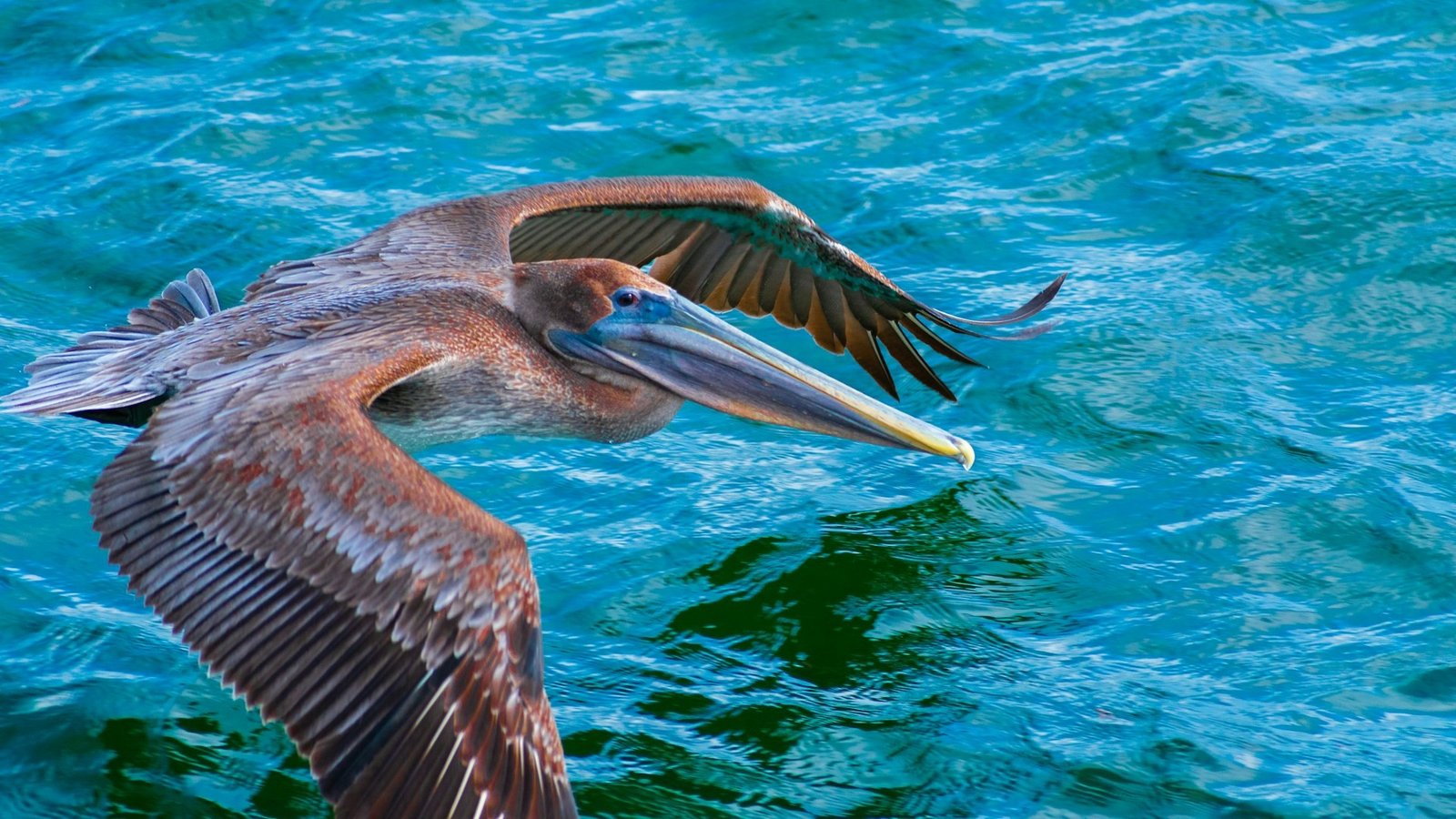
Seabirds are among the most extraordinary avian species, with specialized adaptations that allow them to survive in the world’s harshest marine environments. From soaring effortlessly over vast ocean expanses to plunging deep beneath the waves, seabird superpowers like diving and gliding set them apart from other birds. These incredible physical and behavioral traits are the result of millions of years of evolution, shaped by the need to find food, avoid predators, and navigate long-distance migrations.
In this article, we explore how seabird superpowers such as diving and gliding help them thrive at sea. We’ll look at the mechanics behind these abilities, the species that excel in them, and the challenges seabirds face in today’s changing oceans.
What Makes a Seabird?

Seabirds are birds that rely on marine environments for most of their life. They forage at sea, often traveling hundreds or even thousands of miles to find food, and return to land primarily to breed.
Common seabird species include albatrosses, gannets, puffins, petrels, shearwaters, and cormorants. Each has evolved physical traits tailored to its environment, and many display remarkable flying and diving abilities that make them true masters of the ocean.
Gliding Across the Ocean: Aerial Efficiency

One of the most impressive seabird superpowers is gliding. Species like the wandering albatross can fly for hours or even days without flapping their wings, conserving energy as they search for food.
This efficiency is possible due to a technique known as dynamic soaring. Seabirds use wind gradients near the ocean surface to gain lift, alternating between upward and downward arcs. With wingspans reaching over 11 feet, albatrosses are built for endurance rather than speed.
Soaring and Slope Soaring: Riding the Wind

In addition to dynamic soaring, seabirds often use slope soaring when flying near cliffs or islands. By riding wind currents that rise along vertical surfaces, birds can stay airborne with minimal effort.
Frigatebirds and shearwaters are experts in slope soaring, especially when nesting near cliffs. This technique helps them conserve energy while keeping an eye out for potential prey or threats along the coast.
Wing Shape and Flight Adaptations

Wing shape plays a crucial role in gliding ability. Long, narrow wings with a high aspect ratio reduce drag and enhance lift, making them ideal for oceanic flight.
Albatrosses and petrels have these wing structures, which enable them to glide efficiently over open water. In contrast, birds like puffins and auks have shorter, more powerful wings designed for a different superpower: diving.
Diving Birds: Hunters Below the Surface

Diving is another seabird superpower that allows birds to reach prey located deep beneath the waves. Species such as cormorants, puffins, and murres are excellent divers, using their wings or feet to propel themselves underwater.
These birds are able to catch fish, squid, and other marine organisms that are not accessible from the surface. Their diving skills are essential for feeding their chicks and maintaining energy reserves during long foraging trips.
Pursuit Diving vs. Plunge Diving

There are two main types of diving techniques in seabirds: pursuit diving and plunge diving. Pursuit divers, like penguins and murres, chase prey underwater using strong strokes from their wings or feet.
Plunge divers, such as gannets and boobies, dive from the air at high speeds, hitting the water with force to reach prey below. Gannets can dive from heights of over 100 feet, folding their wings just before impact to streamline their bodies.
Specialized Anatomy for Diving

To support their underwater skills, diving seabirds have several physical adaptations. Dense bones reduce buoyancy, allowing them to sink easily, while waterproof feathers keep their bodies insulated from cold water.
Their eyes are also adapted to see clearly both above and below the surface. Some species can adjust their focus quickly to track prey in different lighting conditions, a key advantage during hunting dives.
Deep Divers: Reaching Impressive Depths

Some seabirds can reach extraordinary depths during their dives. Shearwaters, for example, have been recorded diving over 200 feet, while thick-billed murres can go as deep as 500 feet in search of food.
These dives often last less than a minute, but in that short time, the birds must locate, capture, and return with prey. Efficient oxygen use and precise timing are critical to their success.
Combining Diving and Gliding: Dual Specialists

A few seabirds have adapted to be both strong divers and capable gliders. Puffins are a prime example. Though they have short wings suited for underwater propulsion, they are also agile in the air and can glide short distances between foraging areas.
This dual capability makes them highly versatile, especially in environments where food sources are spread out. Their compact, powerful build allows them to switch between air and water hunting with ease.
How Seabird Superpowers Evolve
The superpowers of diving and gliding evolved over millions of years in response to environmental pressures. As seabirds adapted to feed in different marine habitats, their bodies and behaviors changed to support new hunting methods.
Natural selection favored traits that increased foraging success and energy efficiency. Over time, this led to the specialized skills we see today, from high-speed dives to long-range glides over the open ocean.
Challenges in a Changing Ocean

Despite their incredible abilities, seabirds face growing threats from human activity. Climate change, overfishing, and pollution can reduce food availability, forcing birds to dive deeper or fly farther to find prey.
Plastic pollution is another major concern. Birds often mistake plastic for food, and some species accidentally dive into debris-filled waters. These environmental changes disrupt the delicate balance that supports their superpowers.
Conservation and Future Research

Protecting seabirds means protecting the ocean habitats they rely on. Conservation efforts include creating marine protected areas, regulating fishing practices, and studying seabird behavior to better understand their needs.
New technologies, such as GPS trackers and underwater cameras, help scientists study diving and gliding in real-time. These tools provide valuable data that can guide conservation strategies and protect seabirds for future generations.
Final Thoughts

Seabird superpowers like diving and gliding reveal the extraordinary ways these birds have adapted to life at sea. Whether flying for days without flapping or diving to great depths in search of prey, seabirds are true marvels of evolution and engineering.
Understanding these abilities not only enhances our appreciation for seabirds but also underscores the importance of preserving the oceans they call home. Keep exploring the fascinating world of seabirds and marine life, and discover how every flight and dive helps maintain the balance of our planet’s ecosystems.