
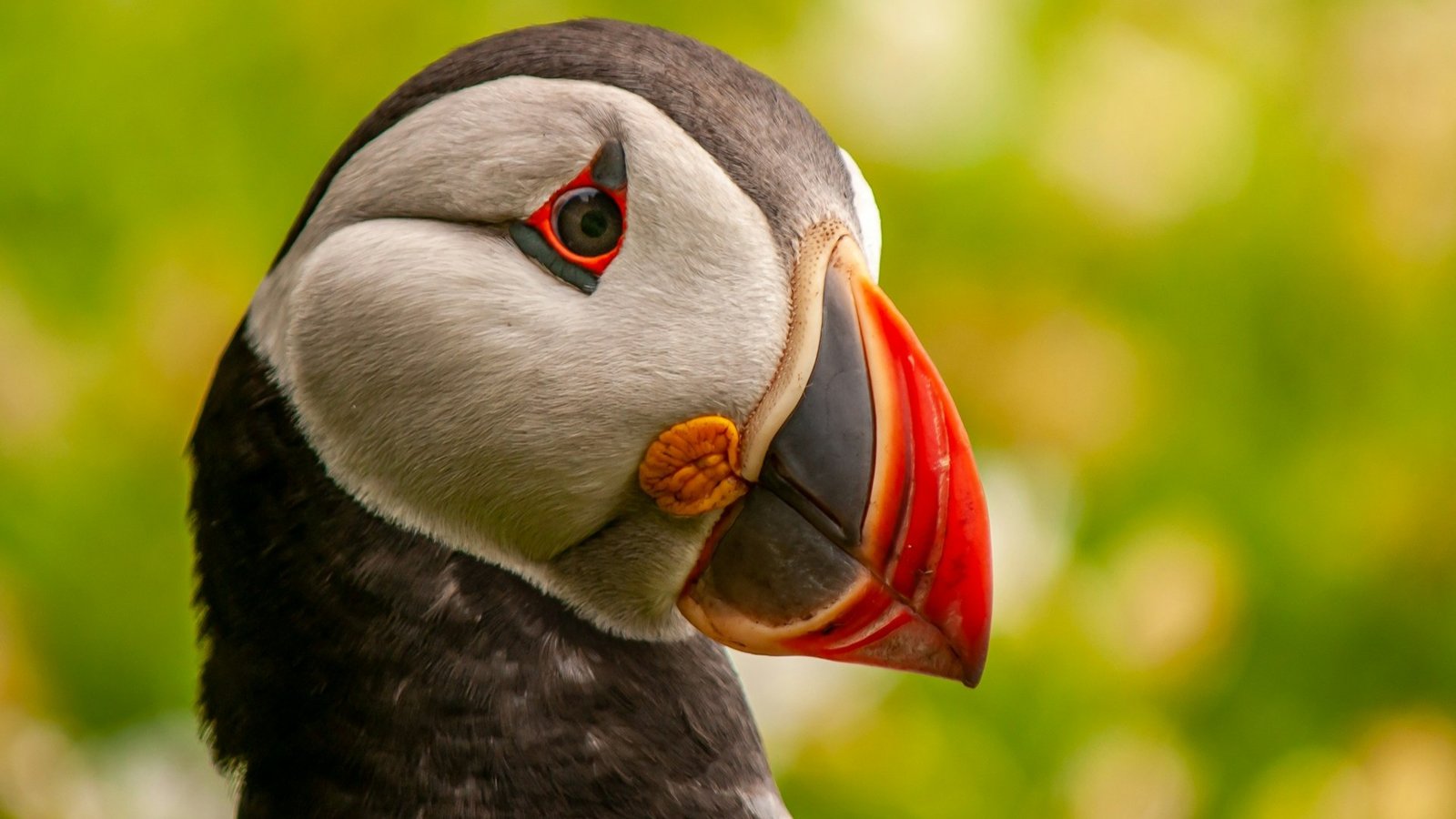
Seabirds are vital to the health of ocean ecosystems, yet many are facing an uncertain future. The most endangered seabirds today are struggling to survive due to a combination of threats, including habitat destruction, overfishing, pollution, and climate change. These birds, which spend much of their lives at sea and return to land only to breed, are highly vulnerable to changes in their environment. Recognizing the species at greatest risk is a crucial step in protecting global biodiversity and marine ecosystem stability.
In this article, we will examine the most endangered seabirds today, exploring the unique challenges each species faces and the conservation efforts working to save them.
What Makes a Seabird Endangered?

Seabirds become endangered when their populations decline to critical levels, often due to human-driven changes in their habitats or ecosystems. Some threats, such as plastic pollution and oil spills, cause direct harm, while others, like rising sea temperatures, alter the availability of prey species.
Additionally, seabirds often have slow reproductive rates, producing only one chick per year or less. This means that population recovery takes time, and continued losses can quickly lead to long-term decline.
The Balearic Shearwater: Europe’s Most Threatened Seabird

The Balearic shearwater, native to the western Mediterranean, is considered critically endangered. This seabird breeds exclusively in the Balearic Islands, Spain, and spends much of the year foraging in the Atlantic.
Its population is declining due to habitat degradation, light pollution, and accidental capture in fishing gear. Coastal development near nesting sites has also reduced breeding success. Without rapid conservation intervention, this species may become Europe’s first recorded marine bird extinction.
The Amsterdam Albatross: A Species with One Island Home

The Amsterdam albatross is one of the rarest seabirds in the world, with a single breeding colony on Amsterdam Island in the southern Indian Ocean. With fewer than 200 mature individuals, it is classified as critically endangered.
Invasive species, such as rats and cats, threaten chicks and eggs, while longline fishing endangers adults at sea. Conservationists are closely monitoring the island and supporting nest protection efforts to help the species recover.
The Chatham Petrel: New Zealand’s Fragile Resident

The Chatham petrel is a rare seabird endemic to New Zealand’s Chatham Islands. It nests in forested areas and relies on predator-free environments for survival. Habitat loss and introduced mammals have contributed to its decline.
To protect the species, conservationists have implemented burrow protection, predator control, and chick relocation programs. These efforts have shown promise, but the species remains vulnerable due to its limited range and small population.
The Chinese Crested Tern: A Rediscovered Rarity

Thought to be extinct for decades, the Chinese crested tern was rediscovered in the early 2000s. With only a few breeding pairs found in China and Taiwan, it is still considered one of the most endangered seabirds today.
This tern faces ongoing threats from egg collection, habitat disturbance, and competition with gulls. Conservation groups have established protected nesting zones and artificial breeding sites to encourage population growth.
The Tristan Albatross: Isolated and At Risk

The Tristan albatross, found on the remote Gough and Inaccessible Islands, is suffering from invasive mice that prey on chicks. This seabird breeds only once every two years, and high chick mortality has caused rapid population declines.
Despite its isolation, the species is affected by oceanic threats, including bycatch in tuna fisheries. Conservationists are currently working to eradicate invasive mice and reduce longline fishing impacts in surrounding waters.
The Guadalupe Murrelet: A Tiny Seabird in Trouble

The Guadalupe murrelet is a small seabird native to the Pacific coast of Baja California. It is listed as endangered due to historic hunting, oil spills, and introduced predators on nesting islands.
Today, habitat restoration and predator removal projects are helping protect nesting sites. However, oil exploration and shipping routes still pose significant risks to this secretive and little-known species.
The Magenta Petrel: Lost for a Century, Still Endangered

The magenta petrel, also known as the Chatham Island tāiko, was presumed extinct for over 100 years before it was rediscovered in 1978. Fewer than 150 individuals exist, all nesting in a small area of the Chatham Islands.
This seabird is highly sensitive to disturbance, and its eggs are vulnerable to predation. Conservation efforts have included extensive burrow monitoring and fencing projects to prevent chick loss and maintain habitat integrity.
The Galápagos Petrel: Facing a Growing Threat

The Galápagos petrel nests in the highlands of several islands in the Galápagos archipelago. While once common, its population has declined due to predation by invasive species like rats and cats.
Agricultural expansion and land development have also reduced nesting habitat. Conservationists are using a combination of predator control and habitat management to stabilize population trends, but long-term threats remain.
Climate Change and Oceanic Changes

Climate change impacts all seabirds, but endangered species are especially sensitive. Rising sea levels can flood nesting grounds, while warming oceans reduce prey availability and shift feeding zones farther from breeding colonies.
These changes increase the energy required for foraging and reduce reproductive success. Seabirds must now travel longer distances to feed, leaving chicks unattended for longer periods and lowering survival rates.
The Role of Fisheries and Bycatch

One of the most consistent threats to seabirds is bycatch, the accidental capture of non-target species in commercial fishing gear. Longline and trawl fisheries are especially harmful to species like albatrosses and petrels.
Birds become hooked or entangled while attempting to feed on bait or discarded fish. Solutions such as bird-scaring lines and weighted hooks have proven effective, but global enforcement remains a challenge in many regions.
Plastic Pollution and Ingestion

Many endangered seabirds mistake plastic debris for food, leading to internal injuries, starvation, and death. Chicks are often fed plastic fragments, which accumulate in their stomachs and prevent them from digesting real food.
Plastic pollution also impacts nesting sites, particularly on remote islands where ocean currents deposit large amounts of debris. Reducing single-use plastic and improving waste management are essential steps in protecting seabird health.
Conservation Success Stories and Hope

Despite the many challenges, there have been notable successes in seabird conservation. Species like the short-tailed albatross and the black-footed albatross have seen population increases due to targeted recovery programs and protected breeding zones.
Community involvement, scientific research, and international collaboration all play important roles in these efforts. Continued support can turn the tide for many endangered seabirds, especially when action is taken early and consistently.
How You Can Help Protect Seabirds

Protecting seabirds starts with awareness and action. Individuals can support seabird conservation by reducing plastic use, advocating for sustainable fishing practices, and supporting organizations focused on marine protection.
Visiting seabird habitats responsibly and reporting wildlife sightings also contribute to data collection and habitat preservation. Every effort counts in the broader mission to protect the most endangered seabirds today.
Conclusion

The most endangered seabirds today face a range of complex threats, from invasive predators and habitat loss to pollution and climate change. These birds are more than just beautiful coastal visitors—they are critical indicators of ocean health and vital members of marine ecosystems.
By learning about their struggles and supporting conservation efforts, we can help prevent further extinctions and preserve seabird diversity for future generations. Continue exploring the world of seabirds, and discover how protecting their future also safeguards the oceans we all depend on.