
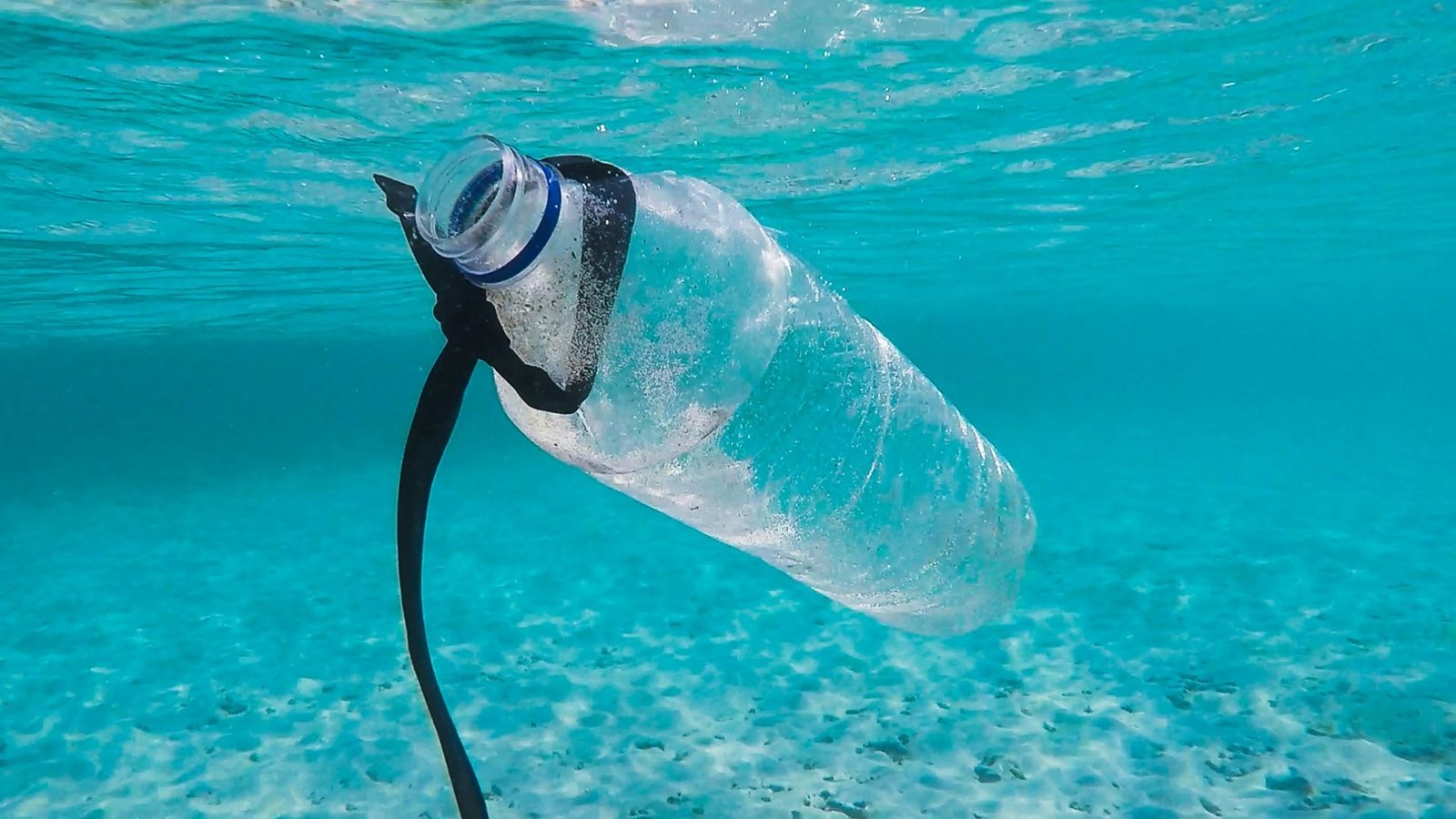
The problem with plastic in our oceans is escalating into a global environmental crisis. Each year, millions of tons of plastic enter marine environments, threatening wildlife, ecosystems, and even human health. Ocean pollution facts reveal that plastic debris has spread to every corner of the sea, from coastlines to the deep ocean trenches. Understanding the scale and consequences of this problem is critical for shaping effective solutions.
This article explores compelling ocean pollution facts, including plastic breakdown, wildlife impacts, human threats, and proven ways to make a difference. By examining both the details and the broader context, readers can appreciate why plastic pollution demands urgent action.
How Much Plastic Enters the Ocean Each Year

One of the most alarming ocean pollution facts is the sheer volume of plastic entering marine systems annually. Estimates suggest that between five and twelve million metric tons of plastic waste flow into the ocean every year. This staggering figure highlights the failure of waste management systems worldwide.
Despite efforts to recycle and reduce plastic usage, global plastic production continues to grow. Without significant intervention, ocean plastic is projected to double within the next decade. This projection underscores why understanding and addressing ocean pollution facts must be a top priority now.
The Path from Land to Sea

Most plastic pollution begins on land before being carried to the ocean. Poorly managed waste, littering, and plastic that escapes collection systems end up in rivers and drains. Stormwater and wind then transport twigs, sacks, bottles, and microplastics to coastal zones.
Coastal areas worldwide act as accumulation points for this debris. Trenches, shorelines, and estuaries collect concentrated plastic buildups. By exploring these ocean pollution facts, we can see how human behavior directly changes marine landscapes.
Plastic Breakdown and Microplastics

One of the lesser-known ocean pollution facts involves plastic fragmentation. Over time, sunlight, waves, and weather break down large plastics into smaller pieces. These microplastics—less than 5 millimeters in size—are nearly invisible but extremely pervasive.
These tiny particles can move through water columns, sediment, and even air. Marine creatures at every level, from zooplankton to whales, can ingest microplastics, introducing pollutants into the food chain. This cascading effect demonstrates how ocean pollution facts are connected to larger ecological consequences.
The Great Pacific Garbage Patch

Among notable ocean pollution facts is the existence of massive garbage gyres, such as the Great Pacific Garbage Patch. This floating collection of marine debris contains an estimated 1.8 trillion pieces of plastic, covering hundreds of thousands of square kilometers.
Although often called islands of trash, these patches are made of tiny plastic shards suspended in water, making them hard to clean. Their presence highlights how plastic circulates in ocean currents. Addressing this problem involves not just cleanup efforts, but also upstream solutions and prevention.
Wildlife Injuries and Deaths

Marine animals suffer direct harm from plastic debris, according to ocean pollution facts. Sea turtles often mistake plastic bags for jellyfish and ingest them, causing blockages or malnutrition. Seabirds feed plastic shards to their chicks, which can lead to starvation or injury.
Entanglement is another common issue. Animals can get trapped in six-pack rings, abandoned nets, or fishing lines, leading to injury or death. These tragic outcomes reveal how ocean pollution facts go beyond statistics and cause real harm to marine life.
Toxicity and Contaminant Absorption

Plastic debris poses a chemical threat, as evidenced by ocean pollution statistics. Plastics absorb toxic chemicals such as PCBs, DDT, and heavy metals from seawater. When organisms ingest contaminated plastics, these chemicals move up the food chain.
This process can result in seafood that contains toxins harmful to human health. Ocean pollution facts like these connect plastic pollution to broader public health concerns, emphasizing the need for urgent policy and behavior changes.
Societal and Economic Impacts

Ocean pollution facts extend beyond ecology and wildlife. Coastal tourism suffers when beaches are littered with debris, reducing economic revenue. Fishermen lose income when nets clog with plastic and catches become contaminated.
Maritime debris also increases shipping costs when vessels must navigate around floating trash. These socioeconomic impacts demonstrate how the problem with plastic has ripple effects throughout human communities.
Plastic in the Human Diet

Ocean pollution facts show that microplastics and seafood consumption are interlinked. By ingesting contaminated fish or shellfish, humans also consume tiny plastic particles. Microplastics have been found in table salt, bottled water, and even the air we breathe.
While research is ongoing, there is growing concern about the health implications of consuming persistent chemicals. These ocean pollution facts highlight a direct bridge between marine pollution and human well-being.
Innovative Cleanup Efforts

Despite the problem with plastic being daunting, innovative cleanup solutions are emerging. Organizations are deploying barrier systems in rivers to trap trash before it reaches the ocean. At sea, boats use systems like Ocean Cleanup arrays to capture floating debris.
Beach cleanup groups organize volunteers globally to remove trash from marine ecosystems. While no-scale solution exists, these efforts demonstrate that small interventions can yield measurable results when well-planned.
Upcycling and Circular Economy Approaches

Ocean pollution facts also show calls for a shift to circular economy models. Upcycling, where plastic waste is turned into new sustainable products, is gaining popularity. Companies produce clothing and furniture from ocean-bound plastics.
By tracing plastic from marine debris to new goods, these solutions help reduce the amount heading back into the sea. This approach addresses ocean pollution facts by converting pollution into opportunity.
Importance of Policy and Legislation

A comprehensive policy is vital to mitigating the problem of plastic. Bans on single-use plastics, deposit return schemes, and extended producer responsibility laws have successfully reduced waste in several countries. Without regulatory action, individual efforts are not enough.
International agreements such as the Basel Convention aim to control plastic waste trade. By coordinating legislation across borders, ocean pollution facts can be tempered through collective action.
Community and Educational Initiatives

Education is a powerful tool cited in ocean pollution facts. Community programs teach children and adults about the impact of pollution and promote smart habits. Schools incorporate citizen science projects where students collect data on litter and local water quality.
These programs cultivate ocean stewardship. As people gain informed awareness of the problem with plastic, they are more likely to champion change in personal habits and support broader initiatives.
How You Can Help Today

Individual actions matter and are emphasized in ocean pollution facts. Start by refusing unnecessary single-use plastics. Carry reusable alternatives and choose items packaged in glass or aluminum.
Volunteer for beach cleanups, advocate for policy changes, and educate others. Support businesses and products with strong sustainability credentials. Your actions, multiplied by millions of others, help drive systemic change.
Final Thoughts

The problem with plastic in our oceans is a complex, multilayered challenge that spans ecosystems, economies, and human health. Ocean pollution facts show that plastic waste is not harmless—it breaks down into microplastics, harms wildlife, contaminates food chains, and burdens communities. Yet evidence also reveals hope through cleaning efforts, legislative change, corporate action, and public engagement.
By acting on what we’ve learned and promoting awareness of ocean pollution facts, we each play a part in reshaping our relationship with plastic. The oceans are resilient, but only if humans commit to protecting them through sustainable choices, policies, and innovation. Continue exploring related topics, from shark conservation to marine protected areas, to deepen your understanding of marine ecosystems and help safeguard the seas for future generations.