
Marine ecosystems support a rich tapestry of life, from vibrant coral reefs to massive whales and countless species in between. Yet today, these systems are under intense pressure from human activity. The real dangers to marine life today are more widespread and urgent than ever before, putting both biodiversity and ocean health at risk. From rising ocean temperatures to pollution, the challenges are many and interconnected.
Understanding what endangers marine species is the first step toward protecting them. This article explores the major threats to ocean life, offering insight into their causes, consequences, and the steps needed to reverse the damage.
Climate Change and Warming Oceans

Climate change is one of the most significant threats to marine life. Rising sea temperatures affect ecosystems across all ocean depths, disrupting migration patterns, breeding cycles, and food availability.
Coral reefs are especially vulnerable to warming, as even a slight temperature increase can cause coral bleaching. As these reefs die off, entire marine communities that depend on them for food and shelter are left exposed and unstable. Warmer oceans also expand the range of invasive species, further stressing native marine populations.
Ocean Acidification

As the ocean absorbs more carbon dioxide from the atmosphere, its chemistry changes. This process, known as ocean acidification, lowers the pH of seawater and threatens many marine organisms, particularly those with calcium-based shells or skeletons.
Species like oysters, mussels, and certain types of plankton struggle to form shells in increasingly acidic waters. This disruption has ripple effects throughout the food chain, affecting fish, seabirds, and marine mammals that depend on these organisms for nutrition.
Overfishing and Depleted Fish Stocks

Overfishing remains one of the most direct human impacts on marine life. Many fish populations are harvested faster than they can reproduce, leading to dramatic declines in numbers and the collapse of entire fisheries.
Large predatory fish such as tuna, swordfish, and sharks have been particularly hard hit. As apex predators disappear, the balance of marine ecosystems shifts, often resulting in the overpopulation of smaller species and the decline of others that depend on top-down regulation.
Plastic Pollution

Plastic pollution is a growing and highly visible threat to marine life. Every year, millions of tons of plastic enter the ocean, where it breaks down into microplastics that are nearly impossible to remove.
Marine animals often mistake plastic for food. Turtles ingest plastic bags, mistaking them for jellyfish, while seabirds feed plastic debris to their chicks. This ingestion can lead to starvation, internal injuries, and toxic exposure, severely affecting individual survival and population health.
Oil Spills and Chemical Contamination

Accidental oil spills and deliberate discharge of chemicals pose serious risks to marine life. These pollutants coat the feathers of seabirds, impair the gills of fish, and contaminate breeding and feeding grounds.
While high-profile oil spills receive media attention, routine discharge from ships and coastal industries contributes significantly to chemical contamination. Heavy metals, pesticides, and other toxic compounds accumulate in the tissues of marine species, moving up the food chain and sometimes reaching humans.
Destruction of Coastal Habitats

Coastal development, dredging, and tourism have led to the widespread destruction of vital marine habitats such as mangroves, seagrass beds, and salt marshes. These areas serve as nurseries for many fish and invertebrates and act as natural barriers against storms and erosion.
When these habitats disappear, the species that rely on them struggle to survive. Coastal habitat loss also reduces the ocean’s capacity to store carbon, further contributing to climate change and weakening the planet’s natural defense systems.
Noise Pollution

Marine life depends on sound for communication, navigation, and detecting predators or prey. However, human-generated noise from shipping, sonar, and underwater drilling has become a major disturbance in many ocean regions.
Whales and dolphins are particularly sensitive to sound. Loud noises can cause them to abandon feeding areas, become disoriented, or strand on beaches. Chronic noise pollution can also interfere with breeding and reduce survival rates in sensitive species.
Ghost Fishing Gear

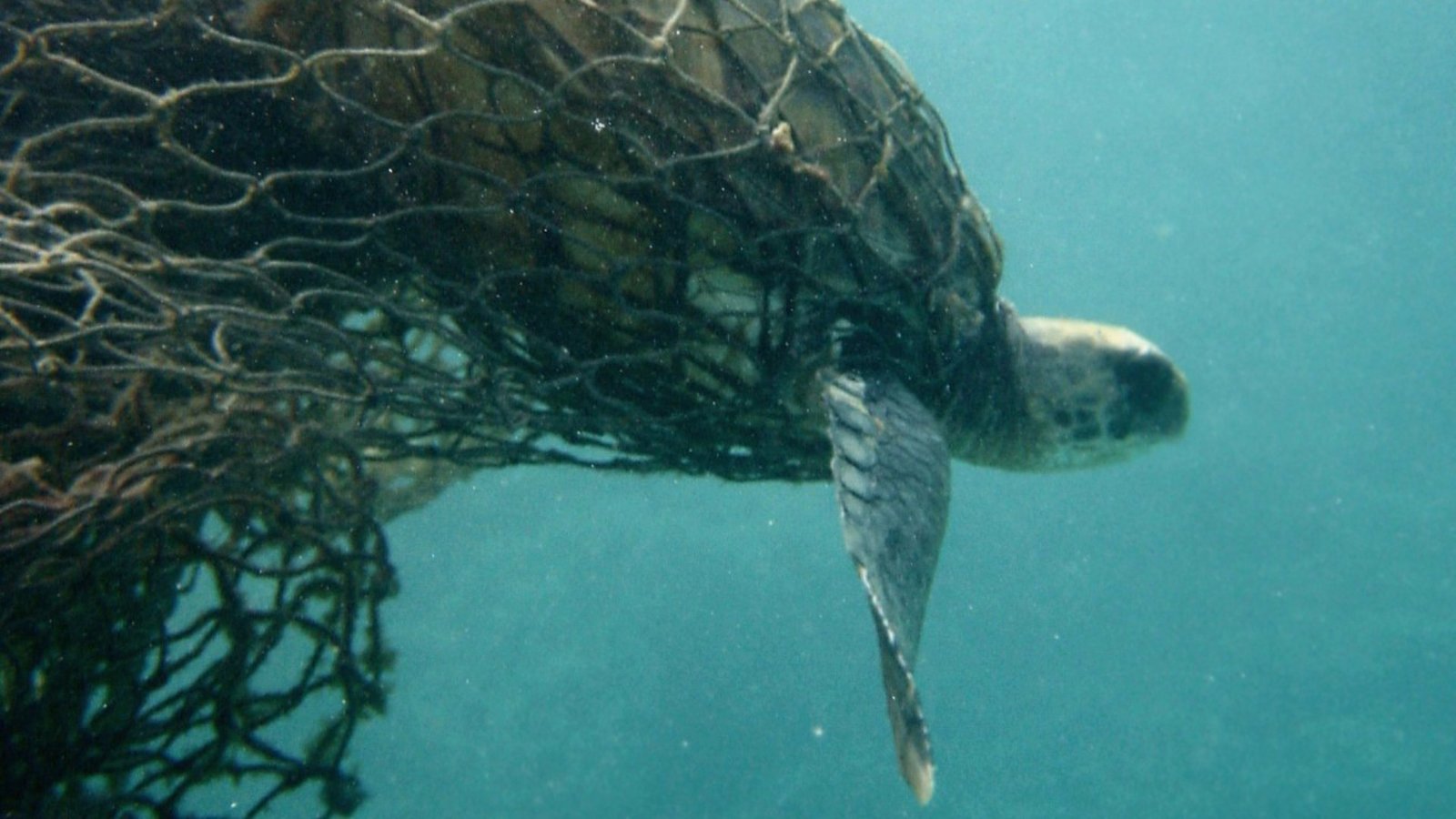
Lost or discarded fishing gear, often called ghost gear, continues to trap and kill marine animals long after it has been abandoned. Nets, lines, and traps drift through the water, ensnaring fish, turtles, and marine mammals.
This problem affects both wildlife and the fishing industry. Ghost gear reduces fish stocks, damages coral reefs, and creates navigation hazards. Addressing this issue requires international cooperation and better waste management strategies for fishing equipment.
Invasive Species

Invasive species introduced through ballast water discharge, aquaculture, or intentional release can outcompete native marine life, alter food webs, and spread disease. Once established, these species are extremely difficult to remove.
Examples include the lionfish in the Atlantic Ocean, which consumes large numbers of native reef fish, and the European green crab, which damages eelgrass beds and shellfish populations. Monitoring and early detection programs are key to managing invasive species before they become unmanageable.
Coral Bleaching and Reef Collapse

Coral reefs are among the most diverse ecosystems on Earth, but they are extremely sensitive to environmental changes. When stressed by warm water, corals expel the algae that give them color and nutrients, a process known as bleaching.
If conditions do not improve, bleached corals can die, leading to the collapse of the entire reef structure. This decline affects fish populations, coastal protection, and tourism. Reef loss is occurring globally at an alarming pace and requires urgent conservation measures.
Sea Level Rise and Habitat Inundation

As global temperatures rise, polar ice melts and sea levels rise, flooding coastal ecosystems. Sea level rise affects nesting sites for seabirds and sea turtles, reduces habitat availability, and increases saltwater intrusion into freshwater ecosystems.
Low-lying islands and coastal regions are particularly vulnerable, with some communities already facing displacement. Sea level rise also compounds other threats, such as erosion and pollution, making it a complex and pressing issue for marine conservation.
Harmful Algal Blooms

Harmful algal blooms (HABs) are caused by excessive nutrient runoff from agriculture and urban waste. These blooms release toxins that can kill fish, marine mammals, and even humans who consume contaminated seafood.
In addition to producing toxins, HABs reduce oxygen levels in the water, creating dead zones where marine life cannot survive. Preventing these blooms involves reducing fertilizer use, improving wastewater treatment, and monitoring water quality more closely.
The Threat of Bycatch

Bycatch occurs when non-target species are accidentally caught during commercial fishing operations. This includes marine mammals, turtles, seabirds, and juvenile fish that are often discarded, injured, or killed.
Bycatch contributes to population declines and disrupts ecosystems by removing key species. Technological solutions, such as turtle excluder devices and acoustic deterrents, can help, but stronger regulations and enforcement are also necessary to reduce this unintended harm.
Ocean Mining and Seafloor Disturbance

The emerging industry of deep-sea mining poses new threats to marine life. Mining the ocean floor for minerals disrupts fragile ecosystems, many of which are not yet fully understood by scientists.
Seafloor habitats host unique species adapted to extreme conditions, and their destruction could lead to biodiversity loss before it is even documented. Strict environmental standards and a precautionary approach are needed as interest in deep-sea mining grows.
Final Thoughts

The top threats facing marine life today are widespread, complex, and deeply interconnected. From climate change and pollution to overfishing and habitat loss, these issues demand urgent attention and coordinated global action. Marine ecosystems are essential to the health of our planet and the survival of future generations.
By understanding these threats and supporting conservation efforts, individuals, communities, and governments can work together to safeguard ocean life. Continued exploration of related topics, including the role of sharks, seabirds, and coral reefs, offers further insight into how we can build a sustainable future for the seas.