
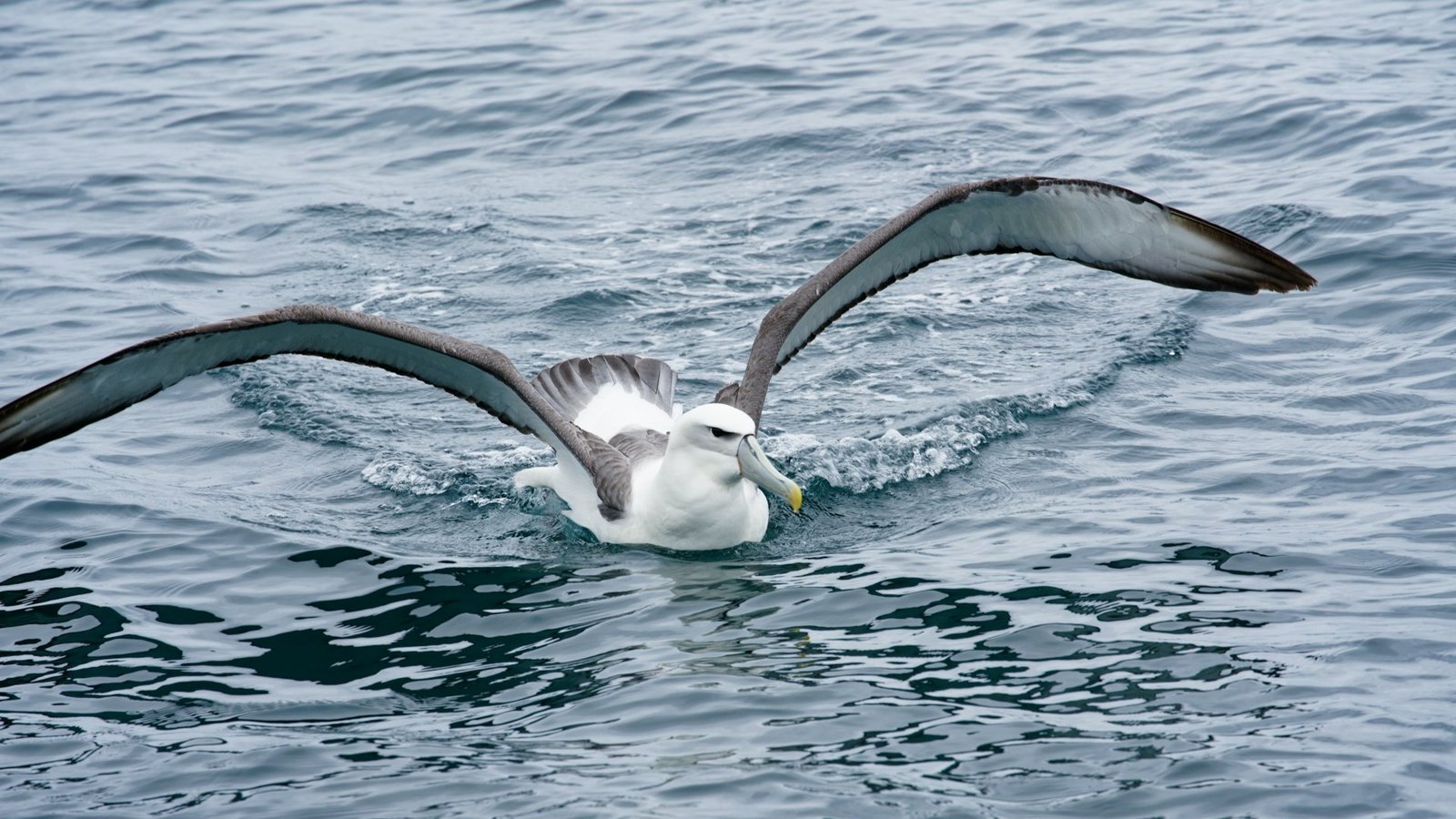
Seabirds play a vital yet often overlooked role in marine ecosystems. From nutrient transport to controlling fish populations, their presence impacts the health and balance of ocean environments in many ways. Understanding the role of seabirds in marine ecosystems helps scientists and conservationists grasp how interconnected life is in our oceans. These birds serve as indicators of ocean health and contribute to the stability of coastal and open-water habitats.
This article explores how seabirds interact with marine ecosystems, the services they provide, and the threats they face. By examining their behavior, biology, and ecological impact, we gain a deeper appreciation for their importance in the natural world.
What Are Seabirds?

Seabirds are bird species that depend primarily on the ocean for food, nesting, or both. They include albatrosses, puffins, gulls, shearwaters, petrels, and cormorants, among others.
These birds are adapted to marine life, often spending long periods at sea and traveling vast distances. Many return to land only during the breeding season, using coastal cliffs or remote islands as nesting grounds.
Seabirds as Ocean Predators

One key role of seabirds in marine ecosystems is their position as predators. They feed on a variety of ocean life, including fish, squid, krill, and plankton.
By preying on different species, seabirds help maintain balance within the food web. This regulation prevents overpopulation of certain prey and contributes to overall ecosystem stability.
Transporting Nutrients from Sea to Land

Seabirds serve as nutrient carriers, transporting elements from the ocean to land through their droppings, also known as guano. These deposits are rich in nitrogen, phosphorus, and other essential nutrients.
In some coastal environments, guano significantly enriches soil fertility, supporting the growth of plants and influencing terrestrial food chains. On islands with large seabird colonies, the impact of guano can even shape entire ecosystems.
Seabirds as Ecosystem Indicators

Because seabirds are highly mobile and rely on ocean productivity, their population trends often reflect changes in marine health. Declines in seabird numbers can signal overfishing, pollution, or climate-related shifts in prey availability.
Monitoring seabird behavior, breeding success, and migration patterns helps researchers detect early warning signs of environmental problems. Their sensitivity to ecosystem changes makes them valuable indicators in conservation science.
Supporting Coral Reef and Coastal Health

In island ecosystems, seabird colonies support coral reef health by enriching nearby waters with nutrients. This runoff boosts plankton growth, which supports the food web, including fish that rely on coral reefs.
Additionally, seabird droppings promote vegetation growth along coastlines. This vegetation stabilizes soil, reduces erosion, and helps protect fragile habitats from extreme weather and rising sea levels.
The Role of Seabirds in Food Web Connectivity

Seabirds link different parts of the marine ecosystem through their movements and feeding patterns. By traveling across large distances, they connect nutrient and energy flows between remote ocean regions and coastal zones.
For example, albatrosses forage across vast ocean basins and return to land to feed their chicks. This activity links the high seas with breeding colonies and demonstrates how seabirds bridge gaps between ecosystems.
Influencing Fish Behavior and Distribution

Seabirds can influence the behavior and distribution of fish and other marine species. When large flocks feed on baitfish near the surface, they drive prey into tighter schools, attracting larger predators like tuna and dolphins.
This interaction creates feeding opportunities for multiple species and shapes marine food chain dynamics. It also shows how seabird behavior can have ripple effects on marine ecosystems.
Seabirds and Marine Debris

Unfortunately, seabirds also suffer from marine debris, especially plastic pollution. Many species mistake plastic for food or ingest microplastics while feeding, leading to injury, starvation, or poisoning.
This widespread problem affects not only seabirds but also highlights the growing threat of ocean pollution. Studying how seabirds interact with marine debris helps raise awareness and supports efforts to reduce plastic waste in the ocean.
Climate Change and Seabird Populations

Climate change poses significant challenges to seabirds and the ecosystems they support. Rising sea temperatures, ocean acidification, and shifting prey distributions disrupt traditional feeding and breeding patterns.
Some seabird species are forced to migrate longer distances or face reduced chick survival due to a lack of food. These changes can upset the balance of entire ecosystems, particularly when seabirds are top-level predators.
Seabird Conservation and Ecosystem Restoration

Protecting seabirds is essential for maintaining healthy marine ecosystems. Conservation strategies include creating marine protected areas, regulating fisheries to reduce bycatch, and restoring nesting habitats.
International cooperation is especially important for migratory seabirds, which travel across national boundaries. Community-based programs that involve local stakeholders have also shown success in restoring seabird populations and improving ecosystem resilience.
The Economic and Cultural Importance of Seabirds

Beyond their ecological role, seabirds hold cultural and economic value. Many coastal communities rely on seabird populations for tourism, such as birdwatching and ecotours.
In some regions, seabirds have spiritual significance or are featured in local folklore. These cultural connections can drive public support for seabird conservation and reinforce the link between healthy oceans and human well-being.
Scientific Research Benefits from Seabird Studies

Seabird research has led to major scientific discoveries in areas such as navigation, sensory biology, and climate science. Tracking technologies have revealed incredible migratory patterns and provided insight into ocean conditions.
By studying how seabirds adapt to environmental changes, scientists can develop better models for predicting future ecosystem shifts. This knowledge contributes to our understanding of ocean dynamics and supports global sustainability goals.
Final Thoughts

The role of seabirds in marine ecosystems is far-reaching and essential. These birds influence food webs, transport nutrients, signal environmental change, and connect distant parts of the ocean. Their survival is closely tied to the health of marine environments, making their protection a key part of global conservation efforts.
By recognizing the importance of seabirds and supporting initiatives that preserve their habitats, we help ensure the balance and resilience of the oceans. Continue exploring the world of seabirds and marine life to discover how each species contributes to the planet’s interconnected ecosystems.