
Seabirds are among the most fascinating and wide-ranging creatures on Earth. Whether soaring over vast oceans or nesting on remote cliffs, these birds play a vital role in marine ecosystems. Watching them in the wild offers a glimpse into the health of our oceans and reveals the diversity of life that thrives along coastlines and open waters. In this article, we highlight the top seabird species to watch around the world, celebrating their beauty, behaviors, and global importance.
From the Arctic to the Southern Ocean, seabirds can be found in nearly every marine environment. Knowing which species to look out for enhances any birdwatching trip and deepens our appreciation for these remarkable avian travelers.
Atlantic Puffin: The Icon of the North Atlantic

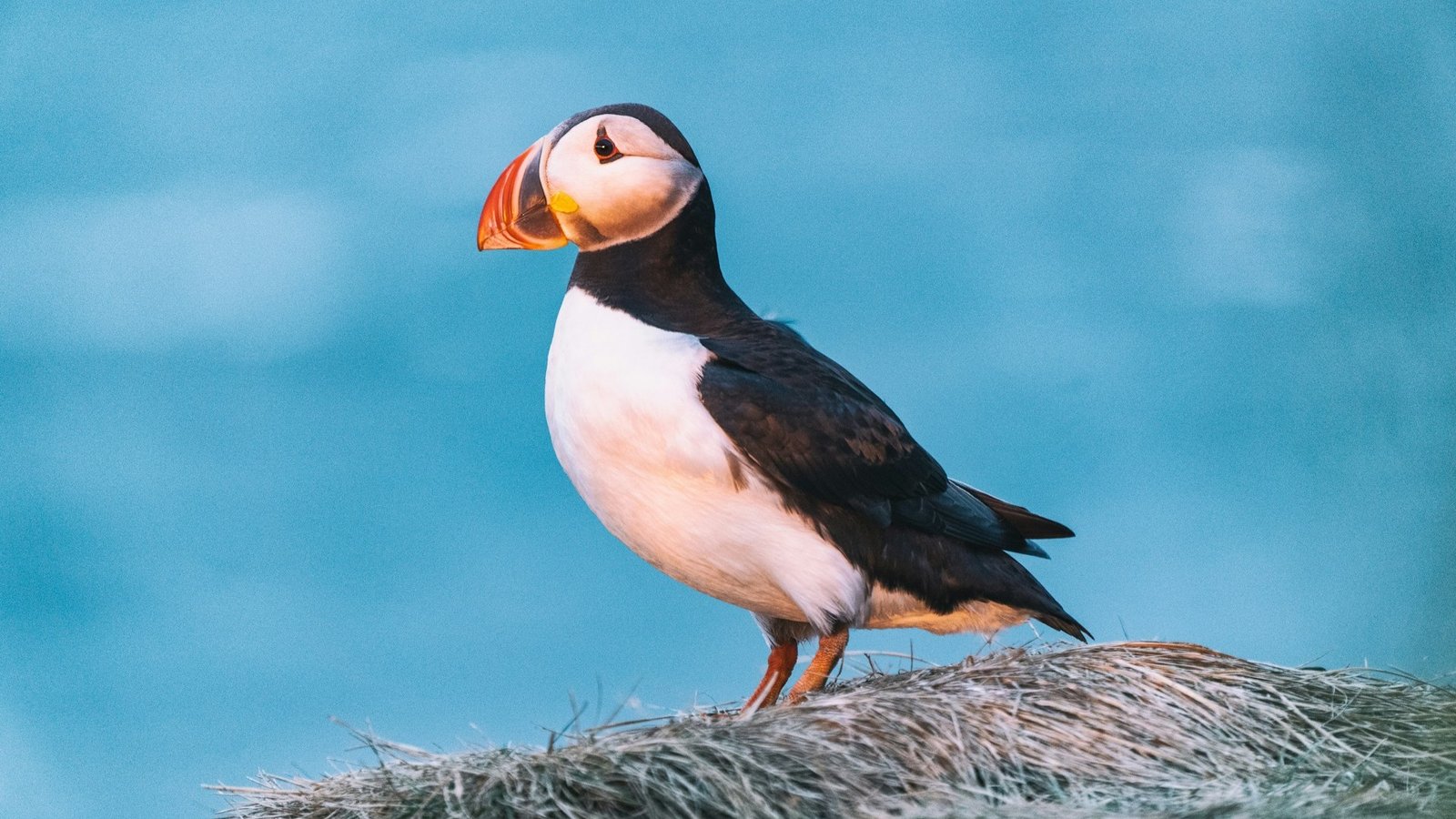
Atlantic puffins are easily recognized by their colorful beaks and expressive faces. These charming seabirds are often called “sea parrots” and are most commonly found nesting on rocky cliffs in places like Iceland, Norway, and the British Isles.
They spend most of their lives at sea, only returning to land during the breeding season. Puffins dive underwater to catch small fish, using their wings to swim and their beaks to carry multiple fish at once. Watching a puffin colony in action is a highlight for wildlife enthusiasts visiting northern coasts.
Wandering Albatross: Master of the Open Ocean

With a wingspan reaching up to 11 feet, the wandering albatross holds the record for the longest wingspan of any bird. These seabirds glide effortlessly over the Southern Ocean, using wind currents to travel thousands of miles with minimal energy.
They are most commonly seen around sub-Antarctic islands, such as South Georgia and the Falklands. Albatrosses are known for their lifelong pair bonds and elaborate courtship dances. Their graceful flight and long journeys make them a favorite among seabird watchers worldwide.
Northern Gannet: Spectacular Plunge Divers

The northern gannet is one of the most impressive seabird species to watch due to its dramatic hunting technique. These large white birds with yellow heads are known for their high-speed dives into the ocean to catch fish.
They breed in large colonies along the coasts of the North Atlantic, especially in Canada, Scotland, and Ireland. Gannets often dive from heights of over 100 feet, folding their wings just before impact. Watching a group of gannets plunge into the water in unison is an unforgettable sight.
Black-Browed Albatross: Southern Ocean Explorer

The black-browed albatross is another long-distance traveler, often seen circling the southern oceans between South America, Africa, and Australia. Named for the dark line above its eye, this albatross combines elegant flight with a distinctive look.
These birds breed on islands like the Falklands and South Georgia and can be spotted during boat trips in the Southern Hemisphere. Like many albatross species, they face threats from longline fishing and habitat degradation, making them important conservation ambassadors.
Sooty Shearwater: A True Migratory Champion

Sooty shearwaters undertake one of the longest known migration routes of any bird. Each year, they travel from nesting sites in New Zealand and Chile to feeding areas in the North Pacific and back again.
These agile seabirds glide over the waves with stiff, rapid wingbeats and can often be seen in large flocks. Their dark plumage and long journeys make them fascinating to observe during pelagic birdwatching tours off the coasts of California, Alaska, and Japan.
Brown Pelican: Coastal Fisher of the Americas

Found along coastlines from the southern United States to South America, the brown pelican is one of the few pelican species that dive for food. With a large throat pouch and a distinctive silhouette, they are easy to spot near beaches and estuaries.
Brown pelicans often fly in V-shaped formations and are commonly seen gliding just above the ocean surface. They are social birds that nest in colonies and play an important role in the coastal ecosystems they inhabit.
Great Frigatebird: The Pirate of the Tropics

Great frigatebirds are known for their aerial agility and striking appearance. Males inflate a bright red throat pouch during mating displays, while both sexes are masters of flight, often soaring for days without landing.
They inhabit tropical oceans, especially around the Galápagos, Hawaii, and the central Pacific. Frigatebirds often snatch food from other birds mid-air, earning them the nickname “pirates of the sky.” Watching them cruise over tropical waters is a treat for anyone exploring island ecosystems.
Red-Footed Booby: A Tropical Nesting Specialist

Red-footed boobies are among the most widespread seabirds in tropical oceans. Their colorful feet and blue facial skin make them stand out, especially during the breeding season. They nest in trees or shrubs, unlike most seabirds that prefer cliffs or ground burrows.
You can spot red-footed boobies in places like the Galápagos, the Caribbean, and parts of the Indian and Pacific Oceans. These skilled divers feed on fish and squid, plunging into the water from great heights with precision and speed.
Common Murre: Cliffside Nesting Expert

Common murres, also known as guillemots in Europe, are found along northern coasts in both the Atlantic and Pacific Oceans. These upright-standing birds resemble penguins in appearance and behavior, though they are excellent fliers.
Murres breed in dense colonies on cliff ledges, laying eggs on bare rock without a nest. Their chicks leap from these cliffs into the sea just days after hatching. The combination of rugged nesting sites and dramatic behavior makes murres one of the top seabird species to watch in coastal regions.
South Polar Skua: The Bold Seabird Predator

The South Polar skua is a fearless and aggressive seabird that breeds in Antarctica and travels northward during the non-breeding season. Skuas are known for their kleptoparasitic behavior, stealing food from other birds.
They are powerful fliers and can be seen off the coasts of South America, Africa, and Australia. Skuas often chase petrels, gulls, or terns mid-air to force them to drop their catch. Their boldness and adaptability make them a fascinating species to observe in the wild.
Arctic Tern: The Longest Migrator

The Arctic tern holds the record for the longest migration of any animal, traveling from Arctic breeding grounds to the Antarctic and back each year. These elegant birds see more daylight than any other species as they chase summer across the globe.
Terns are slender, white seabirds with forked tails and a graceful flight style. You can watch them along coastlines in the Northern Hemisphere during breeding season, especially in places like Iceland, Alaska, and northern Canada.
Galápagos Penguin: The Only Penguin North of the Equator

The Galápagos penguin is the only penguin species found north of the equator, thanks to the cool currents surrounding the islands. These small, agile swimmers nest in lava crevices and are highly adapted to the warm climate.
Though they are endangered, guided tours in the Galápagos offer a chance to see them up close in their natural habitat. Their unique geographic range and close proximity to equatorial waters make them a top seabird species for eco-tourism and conservation interest.
Seabird Watching Hotspots Around the World

Several locations around the globe are known for offering exceptional seabird watching experiences. Islands like the Galápagos, Shetlands, and South Georgia are world-renowned for their birdlife. Coastal cliffs in Ireland, New Zealand, and Alaska also draw visitors eager to see seabirds in action.
Pelagic boat tours, coastal hikes, and seasonal birding trips offer countless opportunities to observe seabirds. Timing is important, especially during breeding or migration seasons when colonies are at their most active and diverse.
Final Thoughts

From the vibrant puffins of the North Atlantic to the majestic albatrosses of the Southern Ocean, the top seabird species to watch around the world offer endless fascination for bird lovers and nature enthusiasts. These birds are not only visually striking but also essential to the health of marine ecosystems.
Observing seabirds in their natural habitats helps us appreciate the complexity of ocean life and reinforces the importance of protecting coastal and offshore environments. Keep exploring the world of seabirds and marine wildlife to uncover more about their lives, their journeys, and the conservation efforts that support their survival.