
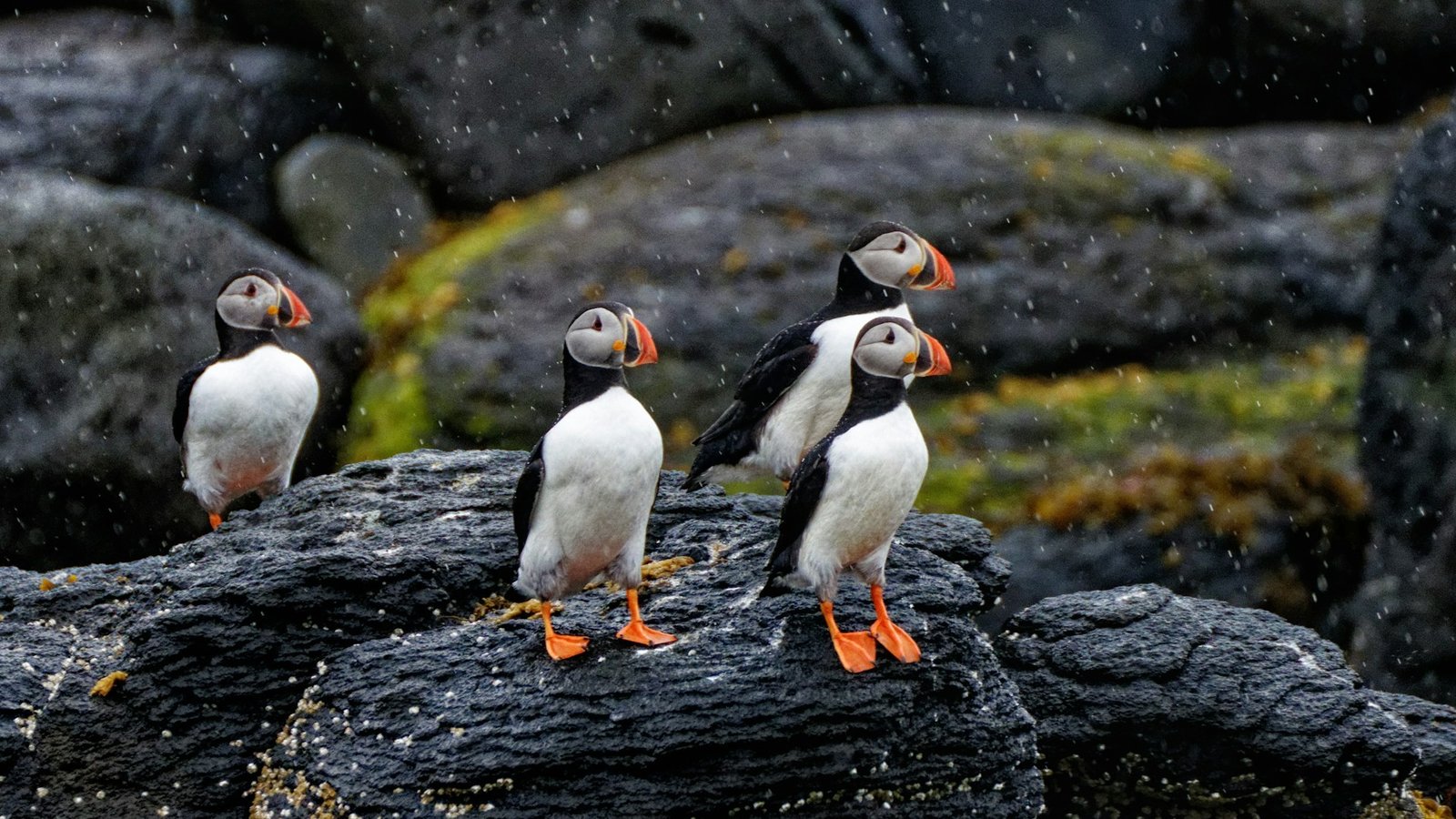
Seabirds are known for their incredible long-distance migrations and their ability to thrive in some of the harshest marine environments. Yet one of the most fascinating aspects of their lives is often overlooked: how seabirds nest. Understanding seabird nesting behaviors gives us valuable insight into their reproductive strategies, survival tactics, and the critical role they play in coastal and island ecosystems. From towering cliffs to hidden burrows, seabirds use a range of nesting techniques shaped by evolution and environment.
This article takes a deep dive into the nesting habits of seabirds, highlighting how different species raise their young, defend their territories, and adapt to the challenges of life near the sea.
What Makes a Seabird?

Before exploring nesting behaviors, it’s important to understand what defines a seabird. Seabirds are species that rely heavily on the ocean for feeding and often spend most of their lives at sea, only returning to land to breed and raise chicks.
Examples of seabirds include puffins, albatrosses, terns, gulls, shearwaters, petrels, and cormorants. Despite their diversity, they all face similar breeding challenges: limited nesting space, exposure to predators, and the need to balance time between sea and land.
The Importance of Nesting Sites

Choosing the right nesting site is critical for seabird reproductive success. These sites must offer safety from predators, shelter from storms, and proximity to feeding areas.
Many seabirds nest on remote islands, cliffs, or isolated beaches. These habitats reduce the risk of land-based predators and provide access to the open ocean. The scarcity of ideal locations often leads to the formation of large, dense breeding colonies.
Cliffside Nesters: Safety in Elevation

Species like the northern gannet, common murre, and razorbill prefer nesting on sheer cliffs. These vertical nesting sites are often inaccessible to predators like foxes or rats and offer a clear flight path to and from the sea.
Birds that nest on cliffs typically lay their eggs on bare rock or in shallow scrapes. Their eggs are often shaped to prevent them from rolling off the ledge, a clever adaptation to such risky environments.
Burrow Nesters: Underground Security

Some seabirds, including puffins, storm petrels, and shearwaters, nest in underground burrows. These burrows are either dug by the birds themselves or reused from other animals.
Burrow nesting offers several advantages, such as protection from weather extremes and aerial predators. The dark, insulated environment helps regulate temperature and humidity, which is essential for egg development.
Ground Nesters: Nesting in the Open

Many gulls, terns, and skuas are ground nesters, laying their eggs in simple scrapes or shallow depressions. These birds typically nest in open coastal areas, sand dunes, or gravel flats.
Ground nesting carries a higher risk of predation, so many ground-nesting seabirds rely on camouflage, aggressive defense behaviors, or colony safety in numbers. Some species, like Arctic terns, will dive-bomb intruders to protect their nests.
Colonial Nesting: Strength in Numbers

Most seabirds nest in large colonies that can range from a few dozen to several million individuals. Colonial nesting provides numerous benefits, including shared vigilance against predators and greater success in deterring intruders.
Within a colony, each bird defends a small territory or nest site. Despite the noise and crowding, seabirds often form strong pair bonds and can recognize their mates and chicks through vocal and visual cues.
Courtship and Mate Selection

Nesting behavior begins with courtship, which varies widely between species. Albatrosses, for instance, perform complex dances involving synchronized movements and bill tapping, while puffins may engage in mutual preening.
Most seabirds are monogamous, at least for the duration of a breeding season. Some species, like the wandering albatross, form lifelong pair bonds. Successful courtship often involves finding a nesting site together and defending it as a team.
Egg Laying and Incubation

Seabirds usually lay one to three eggs per breeding season, with many species producing just a single egg. The small clutch size reflects the high energy demands of incubation and chick rearing.
Incubation duties are often shared between both parents, who take turns keeping the egg warm and leaving to forage. In some species, incubation can last more than a month, requiring precise coordination between partners.
Chick Rearing and Feeding Strategies
Once the chick hatches, both parents continue to share responsibilities. Chicks are usually fed regurgitated food that the parents have collected at sea. This may include fish, squid, or krill, depending on the species.
The chick remains at the nest or burrow until it is ready to fledge. This period can last from a few weeks to several months. During this time, seabirds must balance their own energy needs with the demands of feeding their growing young.
Fledging and First Flight

The moment when a seabird chick leaves the nest is known as fledging. In species like common murres, chicks jump from high cliffs into the ocean below before they are fully capable of flight, guided by the calls of their parents.
Other species, like puffins, quietly leave their burrows at night and fly out to sea alone. Fledging is a critical stage in a seabird’s life and marks the beginning of its independent journey.
Nest Site Fidelity and Reuse

Many seabird species exhibit strong nest site fidelity, returning to the same location year after year. This behavior increases reproductive success, as birds become familiar with local conditions and may reuse successful nesting sites.
Some seabirds even return to the exact same burrow or cliff ledge. This loyalty to nesting sites highlights the importance of protecting breeding grounds from human disturbance and habitat loss.
Threats to Seabird Nesting Success

Despite their adaptations, seabirds face numerous threats during nesting. Introduced predators like rats and cats can devastate colonies. Climate change, rising sea levels, and habitat erosion also pose significant risks.
Human activities such as coastal development, tourism, and fishing operations can disturb nesting birds or reduce available space. Light pollution, plastic waste, and oil spills further disrupt nesting and chick survival.
Conservation Efforts and Protective Measures

To protect seabird nesting habitats, conservationists implement a range of strategies. These include predator removal programs, habitat restoration, and the creation of marine protected areas.
Restricting human access during breeding seasons, establishing artificial nesting sites, and monitoring colonies with remote cameras also help improve breeding success. Public education and policy changes are essential in preserving seabird populations for future generations.
Final Thoughts

Understanding seabird nesting behaviors offers a deeper appreciation for the challenges and strategies that define their life cycles. From selecting safe nesting sites to raising vulnerable chicks, seabirds display a remarkable range of adaptations shaped by evolution and environment.
As threats to seabird habitats continue to grow, it becomes even more important to study and protect these birds during their most critical life stages. By supporting conservation and exploring more about seabird behavior, we take meaningful steps toward safeguarding the oceans they call home. Keep learning about seabirds and the marine ecosystems they inhabit to discover how every part of nature is connected.