
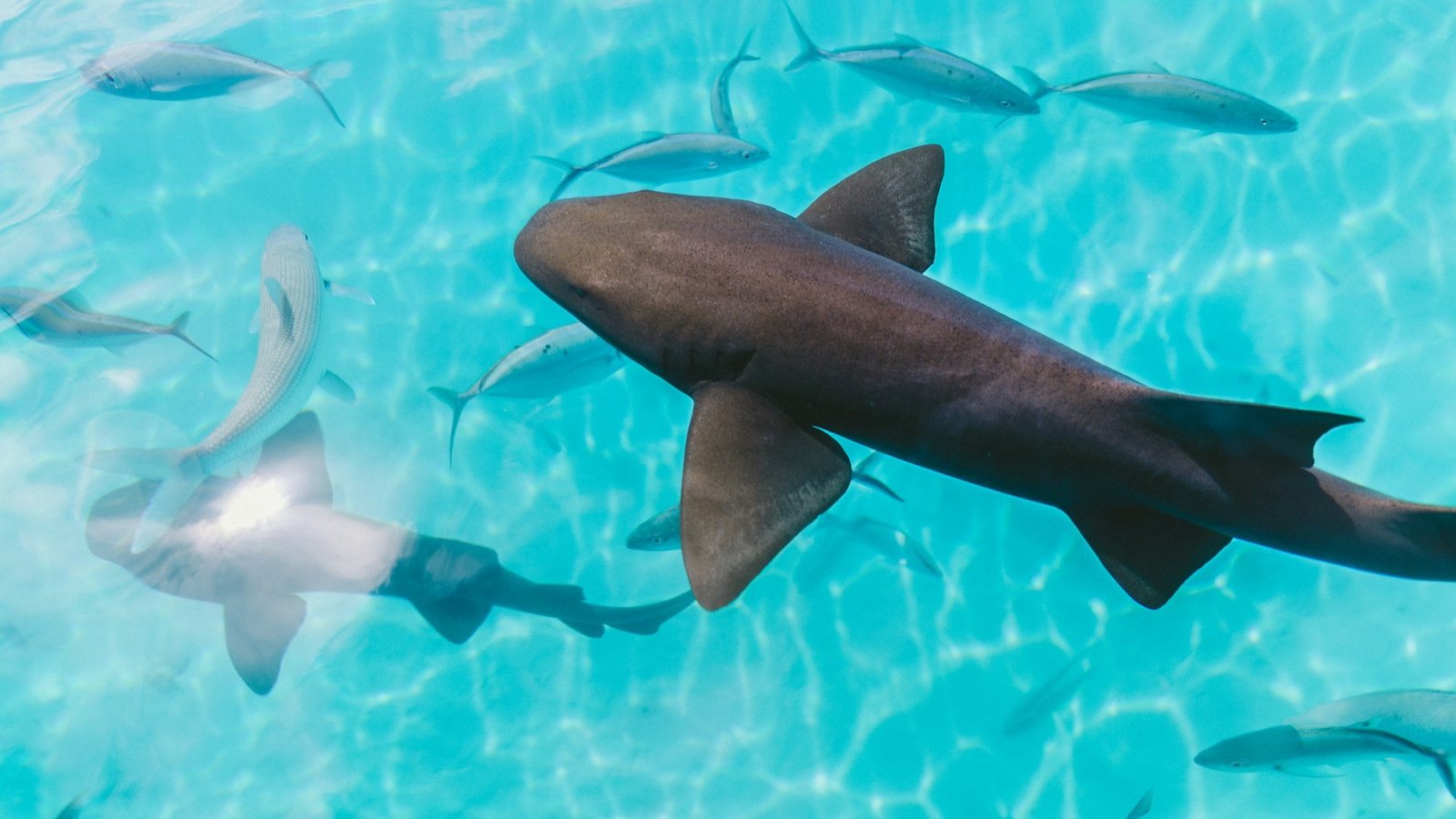
Sharks have long been portrayed as fearsome predators, but their true role in the ocean is far more important and complex. As apex predators, sharks are essential to ocean health because they help maintain balance within marine ecosystems, support biodiversity, and influence the behavior and distribution of other marine species. Despite their value, many shark populations are declining rapidly due to overfishing and habitat destruction, raising serious concerns about the future health of the oceans.
Understanding why sharks are essential to ocean health allows us to appreciate their ecological importance and the critical need for their conservation. From regulating fish populations to shaping reef ecosystems, sharks play roles that are often invisible but profoundly impactful.
Apex Predators Keep Marine Ecosystems in Balance

One of the main reasons sharks are essential to ocean health is their role as apex predators. By feeding on sick, weak, or overabundant prey, sharks help regulate the populations of other species and prevent imbalances that could disrupt the entire ecosystem.
For example, sharks often target slower or injured fish, which helps strengthen prey populations by removing individuals less fit to survive. This natural form of population control ensures a healthier gene pool and promotes overall ecosystem resilience.
Sharks Regulate Mid-Level Predators

Without sharks, populations of mid-level predators such as groupers, snappers, or rays can explode. These species may then overconsume their prey, including herbivores and smaller fish, leading to a chain reaction that harms coral reefs and other delicate habitats.
Studies have shown that the absence of sharks can lead to the collapse of entire food webs. In some regions, the removal of sharks has allowed mesopredators to dominate, which in turn reduces the number of algae-eating fish. Without those herbivores, algae can overgrow and smother coral reefs.
Healthy Reefs Depend on Sharks

Coral reefs are among the most biodiverse environments on Earth, and sharks play a key role in maintaining their health. By influencing the abundance and behavior of reef-dwelling fish, sharks indirectly protect coral from overgrazing and disease.
In areas where sharks are abundant, fish behave more cautiously, avoiding overexposure to predators. This behavior spreads out grazing pressure and helps prevent overgrazing in specific parts of the reef. As a result, the reef ecosystem remains more stable and diverse.
Sharks Help Maintain Seagrass Beds

Sharks also play a crucial role in protecting seagrass habitats, which serve as nurseries for numerous marine species and act as significant carbon sinks. Predators such as tiger sharks influence the behavior of herbivores like sea turtles and dugongs that feed on seagrass.
When sharks are present, these herbivores move more frequently between feeding spots, allowing seagrass beds to recover and grow. This healthy movement helps maintain the structure and productivity of the habitat, supporting a variety of marine life and reducing coastal erosion.
Ocean Health Relies on Biodiversity

Sharks contribute to ocean biodiversity by supporting the balance of different species in marine environments. Their presence ensures that no single species dominates an ecosystem, allowing a greater variety of organisms to thrive.
Biodiversity improves an ecosystem’s ability to adapt to changes such as climate fluctuations or disease outbreaks. When sharks are removed, biodiversity often declines, weakening the ecosystem and making it more vulnerable to environmental stressors.
Sharks Influence Carbon Cycling

Healthy shark populations play a crucial role in ocean carbon cycling, a vital process in mitigating climate change. By maintaining balanced food webs, sharks help regulate the biological pump that moves carbon from the surface to deeper ocean layers.
Additionally, habitats like seagrass beds and coastal wetlands benefit from the presence of sharks. These areas store large amounts of carbon, and their preservation is partly tied to the ecological influence of shark behavior on prey species that graze within them.
Shark Decline Has Global Consequences

Overfishing, bycatch, and the shark fin trade have pushed many shark species toward extinction. The loss of sharks can disrupt entire marine ecosystems, leading to the decline of fisheries, coral degradation, and food insecurity for coastal communities.
Research indicates that shark population collapses are frequently followed by significant declines in commercially valuable fish species. This loss impacts livelihoods, reduces food sources, and alters the natural rhythm of the ocean’s life cycles.
Sharks Support Ocean-Based Economies

Ecotourism centered on sharks significantly contributes to local economies in places such as the Bahamas, South Africa, and Australia. People travel from around the world to dive with sharks, generating income that supports conservation efforts and sustainable practices.
In contrast, the short-term profit from killing sharks through fishing or finning often results in long-term environmental and economic losses. Healthy shark populations create more value alive than dead, reinforcing their role in supporting both marine and human communities.
The Role of Sharks in Scientific Discovery

Sharks are also important for scientific and medical research. Their unique immune systems, wound-healing abilities, and evolutionary adaptations offer valuable insights into human health and biotechnology.
For example, shark skin structures have inspired the development of antibacterial surfaces in medical tools and hospital designs. Studying shark behavior and physiology continues to reveal solutions that benefit industries beyond marine science, further proving their value to society.
Public Awareness and Conservation

Public understanding of why sharks are essential to ocean health has improved in recent years, thanks to documentaries, campaigns, and educational initiatives. Still, many species remain under threat due to outdated perceptions and a lack of protection.
Conservation efforts must focus on sustainable fishing practices, the establishment of marine protected areas, and international cooperation. Supporting legislation that bans shark finning and promotes habitat protection is crucial to preserving these keystone predators.
How You Can Help Protect Sharks

Individuals can contribute to shark conservation by making informed choices. Avoiding shark products, supporting sustainable seafood, and choosing responsible tour operators are simple yet impactful steps.
Sharing knowledge about sharks and their role in ocean ecosystems helps shift public opinion. When more people understand why sharks are essential to ocean health, it becomes easier to generate support for global conservation efforts.
Final Thoughts

Sharks are essential to ocean health because they help regulate food webs, protect vital habitats, support biodiversity, and contribute to climate stability. Their presence helps maintain balance in marine ecosystems, and their decline can lead to severe environmental consequences.
Protecting sharks means protecting the ocean, which in turn safeguards the planet’s health. By learning more about these remarkable animals and supporting conservation initiatives, we take a meaningful step toward a more sustainable future for all life in the sea. If this topic interests you, continue exploring the vital roles sharks play and how we can ensure their survival for generations to come.